Tristaniopsis laurina (Water Gum)
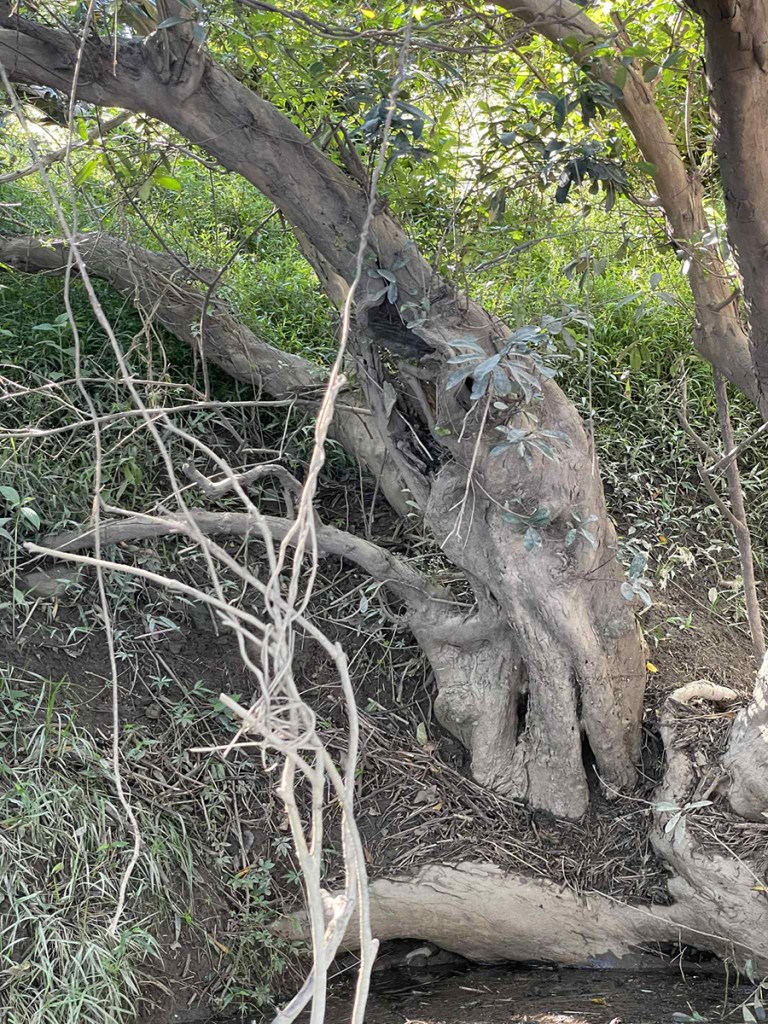
Image: Rochelle Summerfield
Tristaniopsis laurina, (Water Gum or Kanooka), is a small to medium-sized evergreen tree native to the eastern coastal regions of Australia, ranging from the Brisbane River in Queensland through New South Wales to the Gippsland region of Victoria. It typically inhabits moist, well-drained sites along stream banks and rainforest margins, where it can grow up to 15–20 metres in height. The tree has a dense, rounded crown and a straight trunk, with smooth greyish-brown bark that becomes slightly fissured and darker with age. Its leaves are glossy, dark green, elliptical to lanceolate, with a leathery texture and prominent midrib, contributing to its laurel-like appearance and the species name laurina. In summer, it produces clusters of small, yellow, fragrant flowers from the leaf axils, followed by woody capsules that resemble those of eucalypts. The tree’s branches often grow in the direction of water flow, making it a natural indicator of flood levels. Ecologically, T. laurina is valued for its erosion control along waterways and its habitat support for native fauna, including pollinators attracted to its nectar-rich flowers.
Additional recording information
This is a list of species, elements and anthropogenic sounds positively identified that contribute their voices to this piece.
Birds:
Rainbow Lorikeet (Trichoglossus haematodus)
Torresian Crow (Corvus orru)
Brown Honeyeater (Lichenostomus indistincta)
Laughing Kookaburra (Dacelo novaeguineae)
Australian Magpie (Gymnorhina tibicen)
European Goose (Anser anser domesticus)
Bar-shouldered Dove (Geopelia humeralis)
Rainbow Bee-eater (Merops ornatus)
Insects:
Redeye Cicada (Psaltoda moerens)
Cricket (Teleogryllus commodus)
Mammals:
Domestic Cow (Bos taurus)
Elements:
Water flow at Clarence River, Seelands
Human Generated:
Aeroplane
Water pump
 arboreus.earth