Avicennia marina (Grey Mangrove)
Images: Will Rodgers
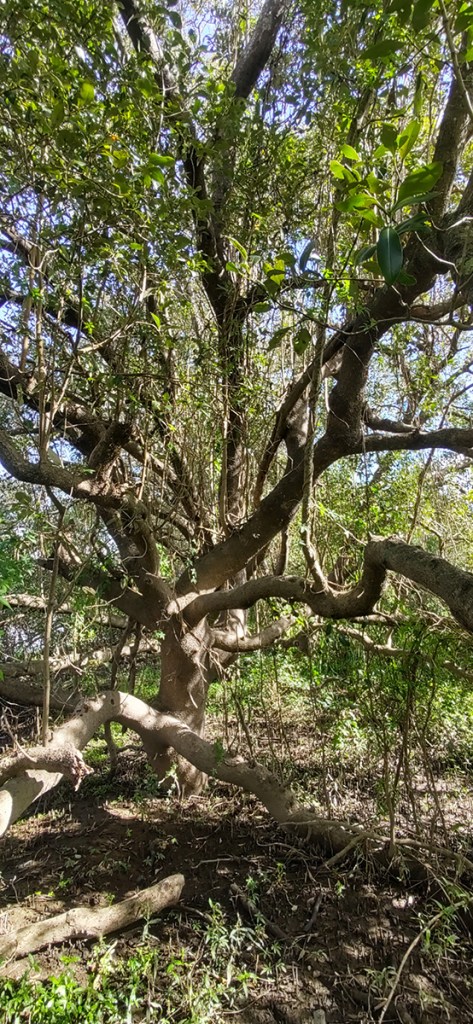
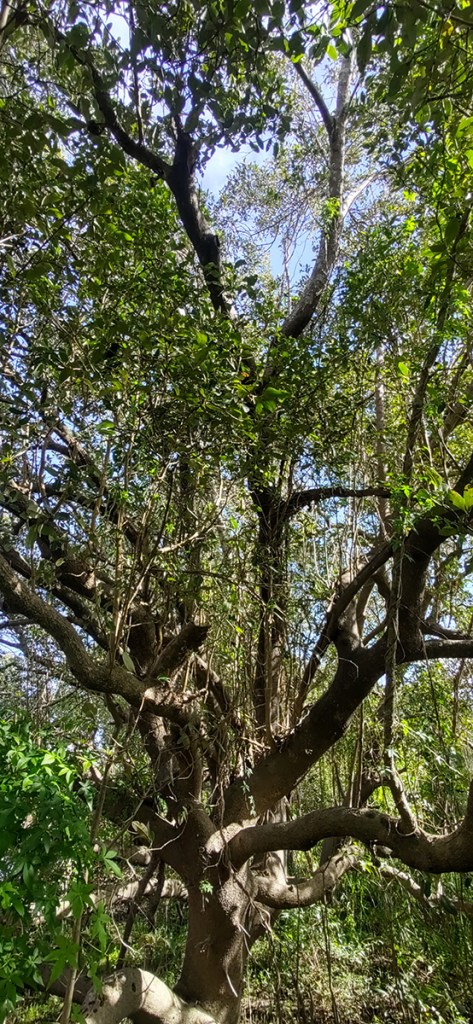
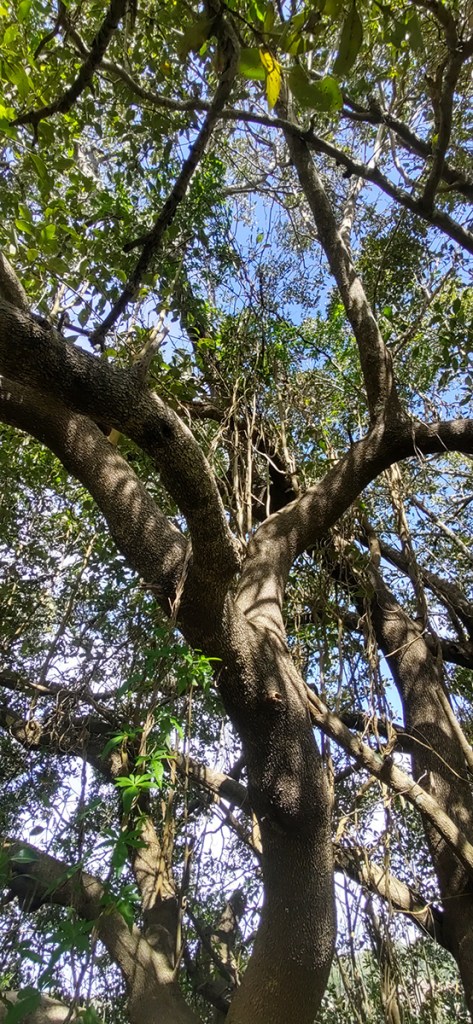
Avicennia marina, commonly known as Grey Mangrove or White Mangrove, is a salt-tolerant tree species found in intertidal zones along tropical and subtropical coastlines, including Australia, Southeast Asia, East Africa, and the Middle East. It is the most widespread mangrove species, thriving in estuarine mudflats and saline wetlands where few other trees can survive. In Australia, it is particularly abundant along the northern and eastern coasts, from Western Australia to New South Wales. Typically growing to 2–10 metres, though occasionally reaching up to 25 metres in northern Australia, A. marina has a rounded, open crown and a straight or crooked trunk with finely fissured grey bark. Its most distinctive feature is its pneumatophores—spongy, vertical aerial roots that protrude from the mud to facilitate gas exchange in waterlogged soils. The leaves are leathery, oval to lance-shaped, arranged oppositely, with a glossy green upper surface and silvery underside due to salt excretion. Small, yellow to orange flowers bloom in clusters, followed by woody capsules containing seeds that germinate while still on the parent tree (vivipary). Ecologically, Avicennia marina is a keystone species in coastal ecosystems, providing critical habitat for fish, crustaceans, and birdlife, while stabilizing shorelines and buffering against storm surges. Its ability to tolerate high salinity and low oxygen makes it invaluable for coastal rehabilitation and climate resilience. Despite its IUCN status as Least Concern, mangrove habitats globally face threats from development and climate change, making conservation of species like A. marina increasingly important.
Additional recording information
This is a list of species, elements and anthropogenic sounds positively identified that contribute their voices to this piece.
Birds:
Grey Butcherbird (Craticus torquatus)
Eastern Whipbird (Psophodes olivaceus)
Little Corella (Cacatua sanguinea)
Rainbow Lorikeet (Trichoglossus haematodus)
Blue Faced Honeyeater (Entomyzon cyanotis)
Noisy Miner (Manorina melanocephala)
Magpie-Lark (Grallina cyanoleuca)
Australian Magpie (Gymnorhina tibicen)
Golden Headed Cisticola (Cisticola exilis)
Tawny Grassbird (Cincloramphus timoriensis)
Black Shouldered Kite (Elanus axillaris)
Pheasant Coucal (Centropus phasianinus)
Common Koel (Eudynamys scolopacea)
Amphibians:
Striped Marsh Frog (Limnodynastes peronii)
Insects:
Cricket (Teleogryllus commodus)
Mosquito (Culex annulirostris)
Mammals:
Grey Headed Flying Fox (Pteropus poliocephalus)
Elements:
Water flow at Clarence River, Ashby
Human Generated:
Trawler on river
Highway noise
 arboreus.earth