Corymbia gummifera (Red Bloodwood)
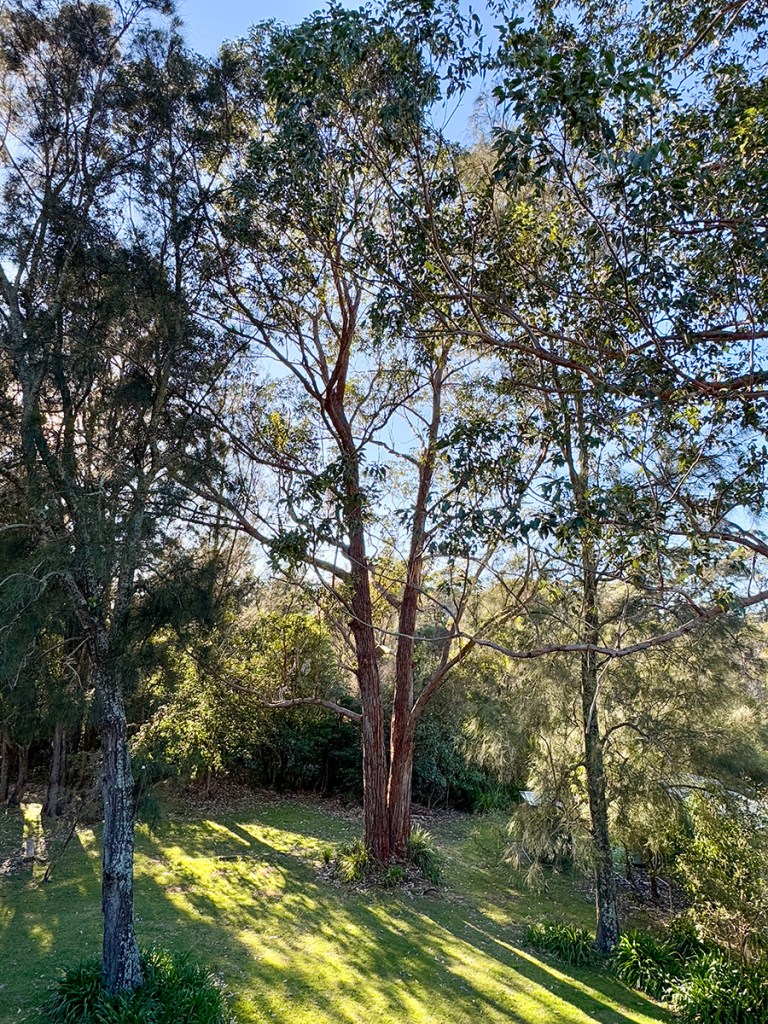
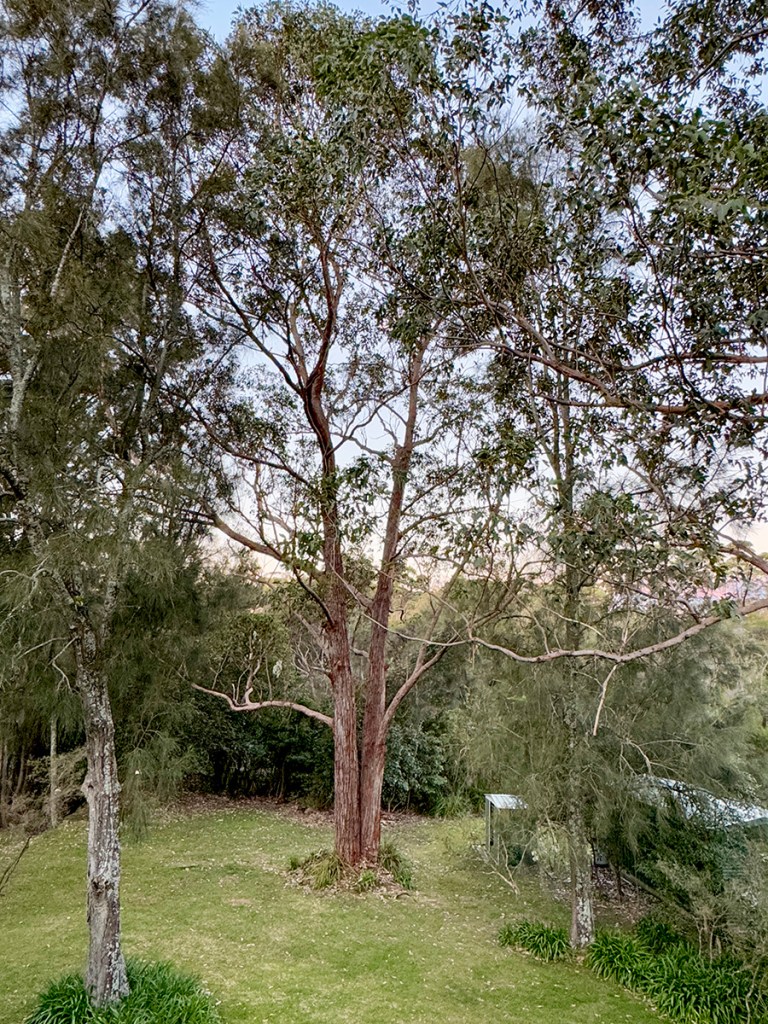
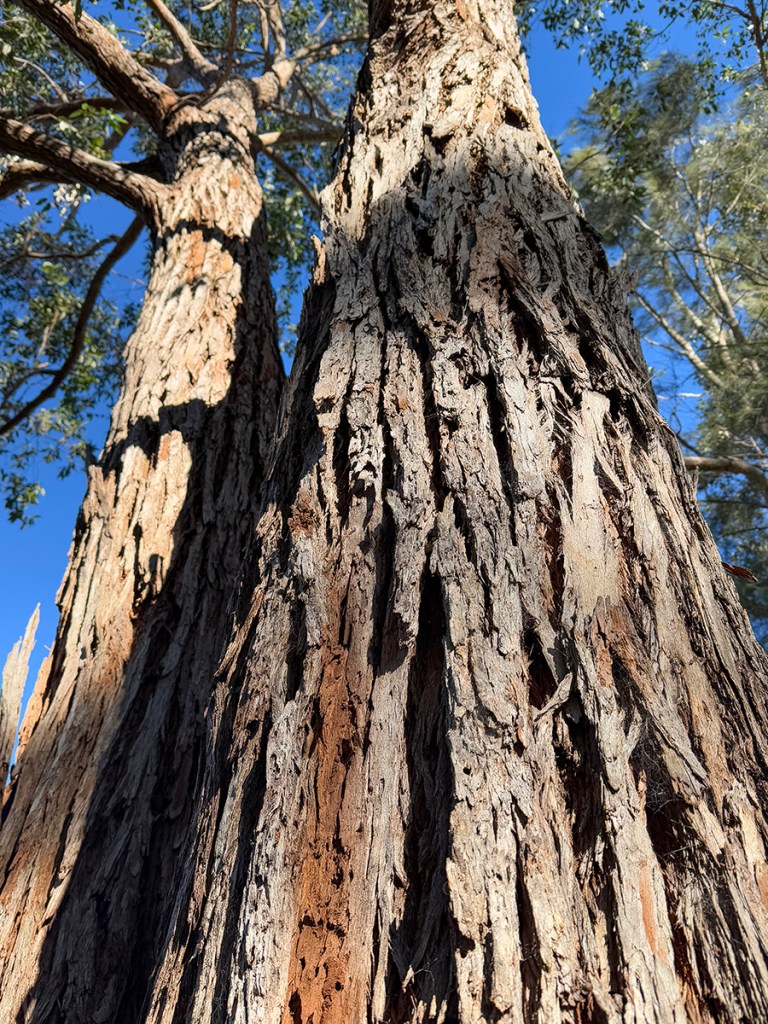
The Red Bloodwood in the morning light, late afternoon in winter and the bark looking up towards the canopy. Images: Kim V. Goldsmith
The Red Bloodwood is a common tree growing to 30 metres tall, forming a lignotuber. It’s found on the coasts of NSW and Queensland, and the far-eastern part of Victoria, around Mallacoota and in East Gippsland. It forms a co-dominant part of coastal vegetation types such as dry sclerophyll forest and woodlands.
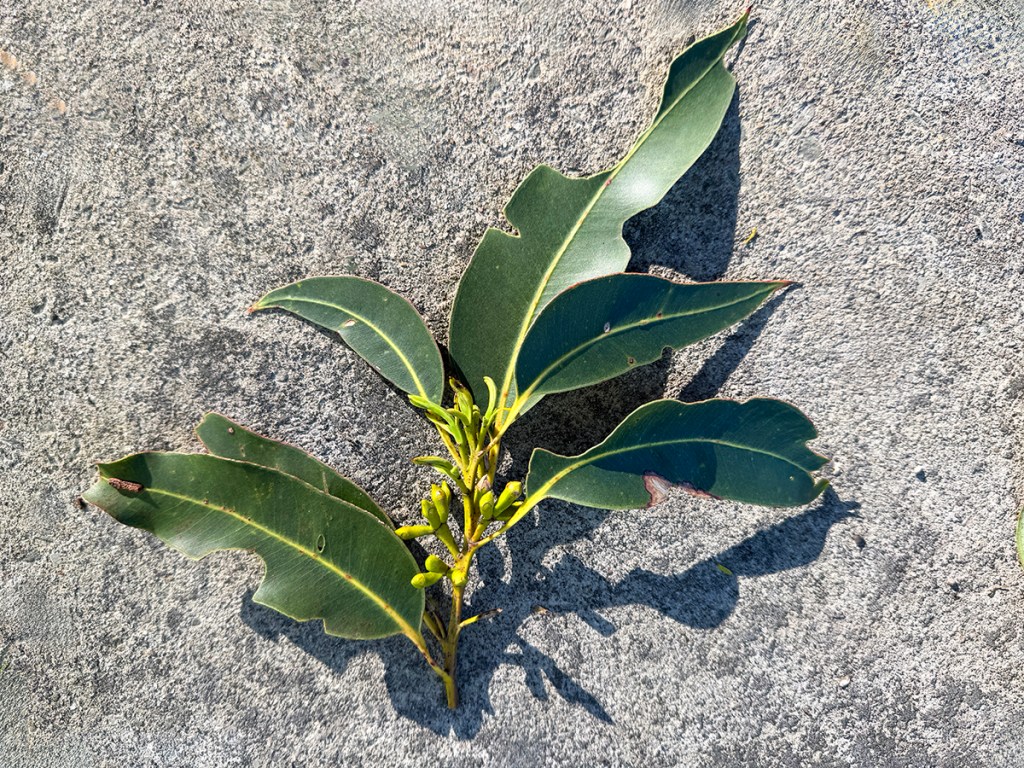
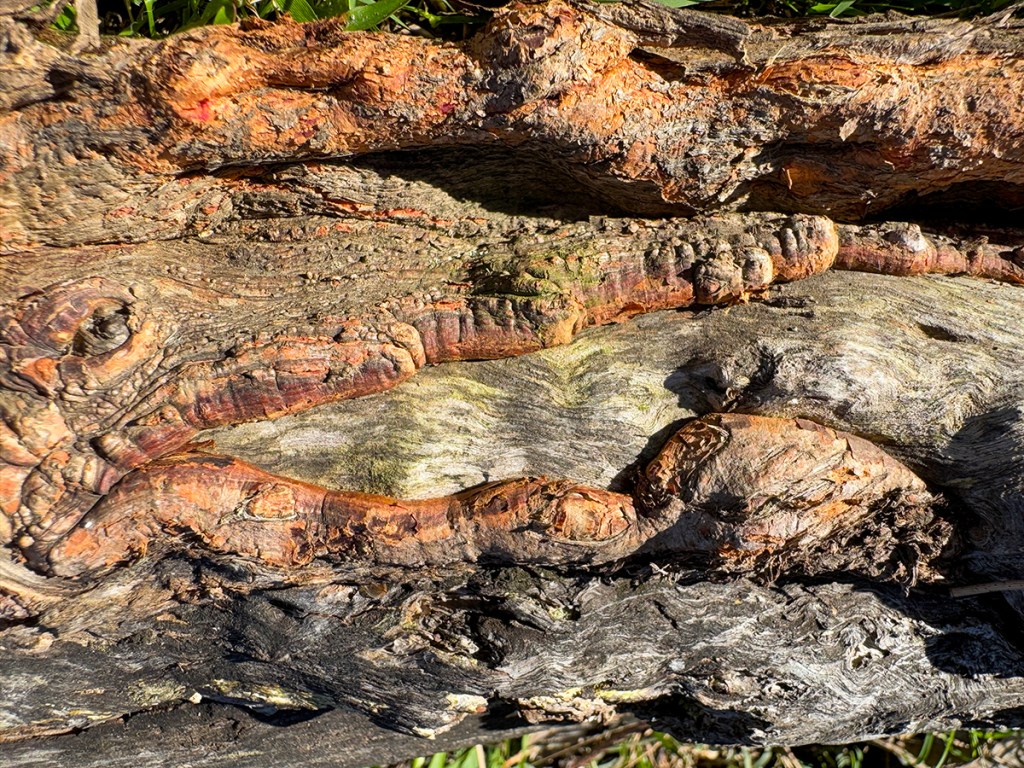
The bark is continuous and flaky or tessellated, brown, often with black burnt-looking patches and gum excretions. Juvenile foliage / coppicing-growth is disjunct, lanceolate to broad-lanceolate, mid-green in colour, to about 17 cm long and 5 cm wide. The trees have simple adult leaves which are alternate. In this species, they are mid-green, lanceolate (spear-shaped) to 16 cm long and 4 cm wide. Leaves are noticeably discolorous.
As with other Corymbia species, umbellasters (umbel-like cluster of flowers) are typically produced at the terminals, beyond the foliage to create a very showy display at the top of the tree. Creamy white flowers can be observed from November to January. The fruit is a capsule (a gumnut) and typically urn-shaped as with most bloodwoods.
 arboreus.earth