Afrocarpus gracilior (East African Yellowtree), Kenya
The recording was made during Kenya’s heavy rainy season, known locally as Masika. My goal has been to document the subtle and often inaudible voices of trees, especially as traditional field recording in this area has become nearly impossible due to constant noise pollution — traffic, ongoing construction, and dogs kept in unethical confinement. Seeking an alternative, I turned to contact microphones and geofons to capture internal vibrations and resonance that might otherwise be drowned out by the urban soundscape.
For this particular track, a contact microphone was strapped securely to the trunk using a luggage strap. Alongside it, I placed a geofon — fitted with a non-piercing probe and a rubber boot to minimize wind interference — also anchored to the same strap. This setup allowed me to hone in on the subtle internal reverberations of the tree, from the sway of its trunk to the possible tension and movement of its higher branches in the wind.
The final recording is a blend of both the geofon and contact mic inputs. On their own, neither device consistently yielded a rich spectrum of frequencies — but layered together over several takes, they revealed a deeper, more textured sonic portrait. While entirely abstract, I like to imagine these tones as fragments of the tree’s memory or perhaps even its voice — a quiet, grounding lament amidst a rapidly vanishing ecosystem.
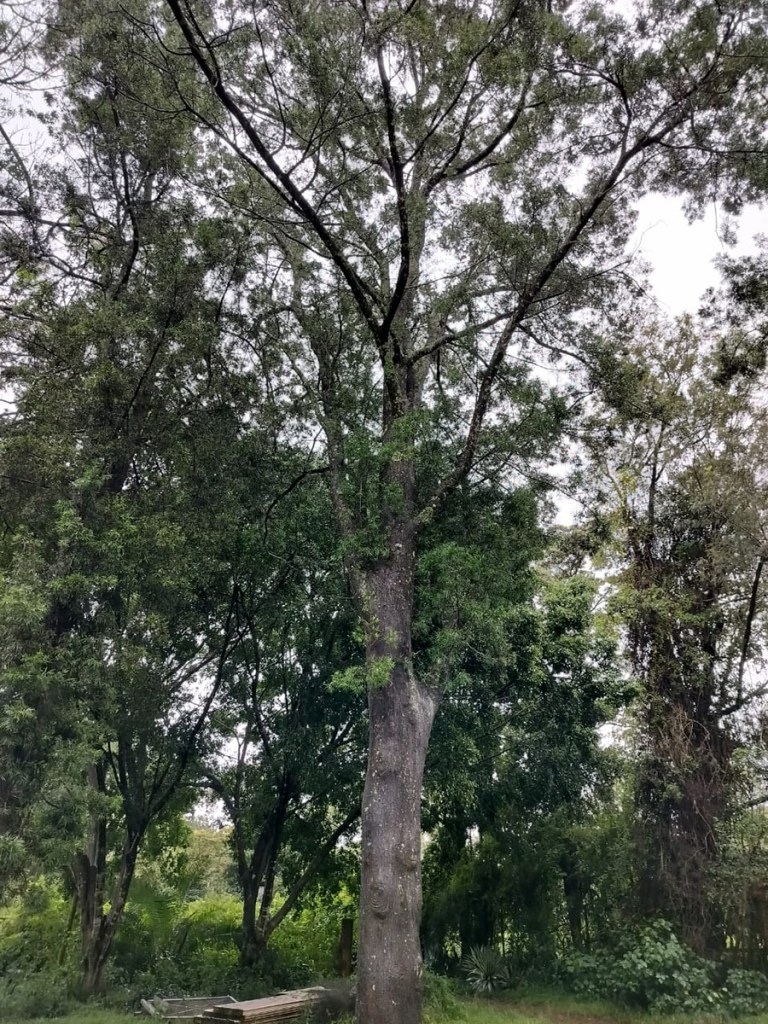
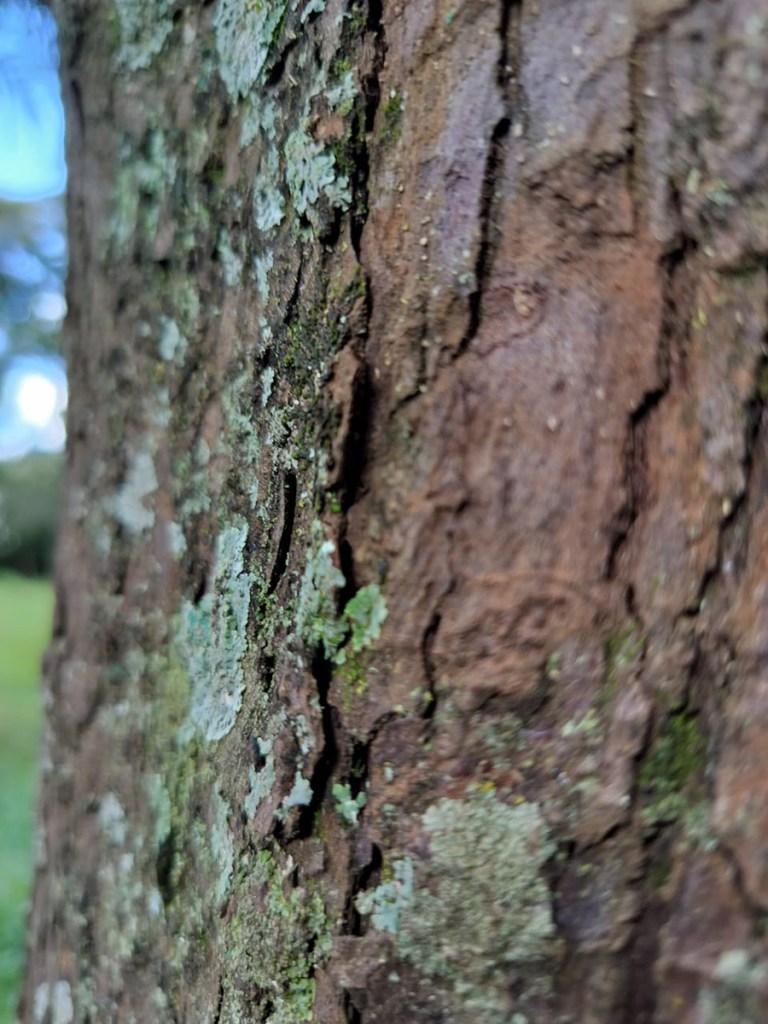
East African Yellowtree, Langata, Nairobi, Kenya . Images: Karim Kara
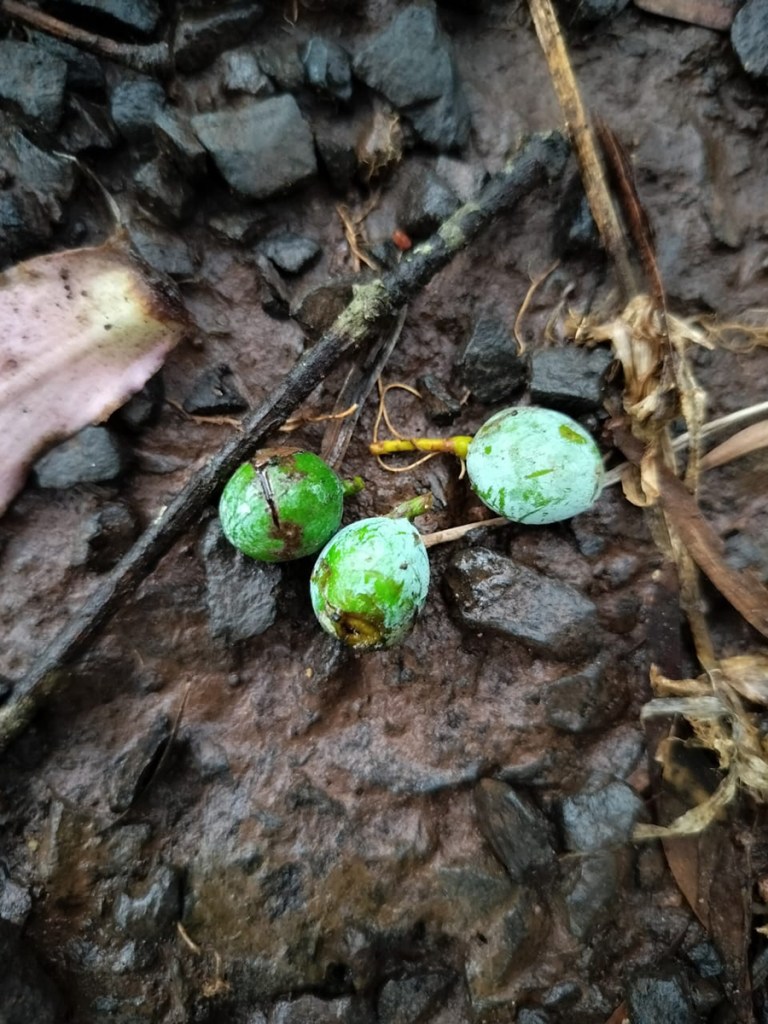
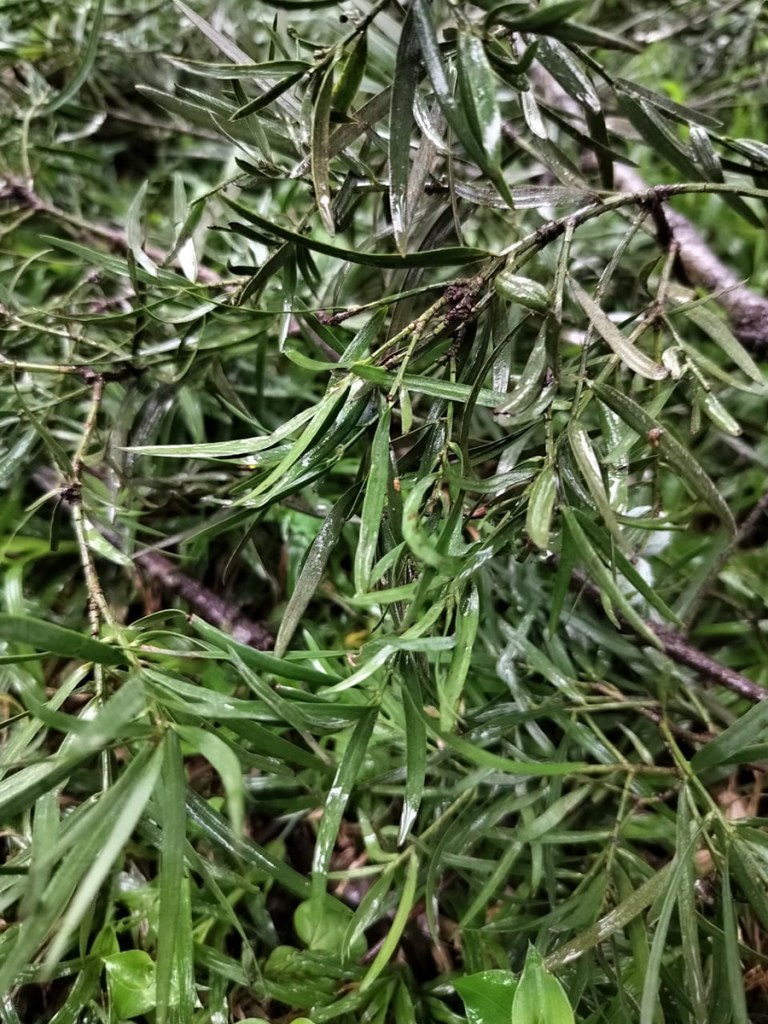
Afrocarpus gracilior is a medium-sized tree, growing 20–40 m tall, rarely to 50 m, with a trunk diameter of 50–80 cm. The leaves are spirally arranged, lanceolate, 2–6 cm long and 3–5 mm broad on mature trees, larger, to 10 cm (4 in) long and 6 mm broad on vigorous young trees. The seed cones are highly modified, with a single 2 cm (1 in) diameter seed with a thin fleshy coating borne on a short peduncle. The mature seed is purple, and is dispersed by birds and monkeys which eat the fleshy coating. The pollen cones are solitary or in clusters of two or three on a short stem.[4] Uses It is an important timber tree in its native range, where it is harvested for local use and export. It is used for construction of buildings and furniture. It is grown in plantations elsewhere in the world. It is cultivated as an ornamental tree, and planted as a shade tree.
 arboreus.earth