Fraxinus excelsior (Common Ash), England
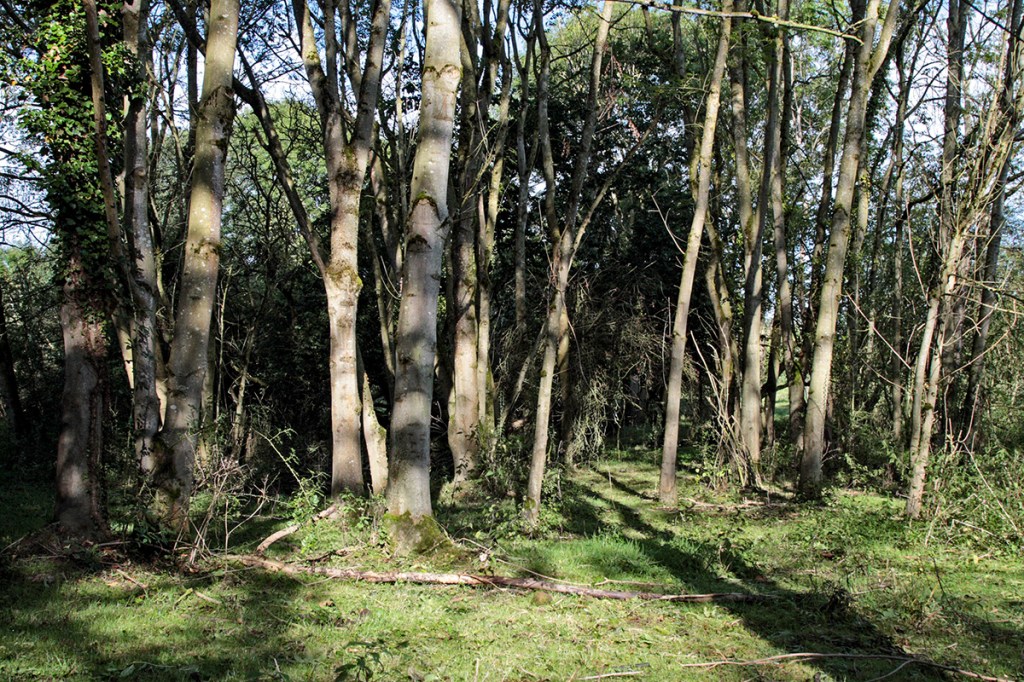
Widespread in the UK, ash can be found in woodlands and prefers damp and fertile soils. In Scandinavian mythology, Ash was the ‘tree of life’ and was regarded as a healing tree in the UK; today, however, Ash is sometimes considered a ‘weed’.
It is a tall, broad tree that is both tough and fast-growing to about 15-35 metres high and 20 metres wide. A coloniser, the ash takes up space where other trees have died or fallen. However, it is a good forest tree as it lets light reach the floor, allowing other plants to flourish. It favours damp and fertile soils in cooler conditions. The species is susceptible to the disease Ash dieback caused by the fungus Hymenoscyphus fraxineus.
Ash has compound leaves (made up of seven to twelve leaflets); large black buds; and bunches of ash ‘keys’ – winged seeds that disperse in the autumn.
The wood of ash is both strong and flexible, and withstands shock well. For these reasons, it is often used for sporting equipment, such as oars, hockey sticks and snooker cues.
Shropshire Wildlife Trust, Wildlife Explorer, Trees and Shrubs, Ash
Trees and Shrubs Online, Ash
 arboreus.earth