Angophora hispida (Dwarf Apple), Australia
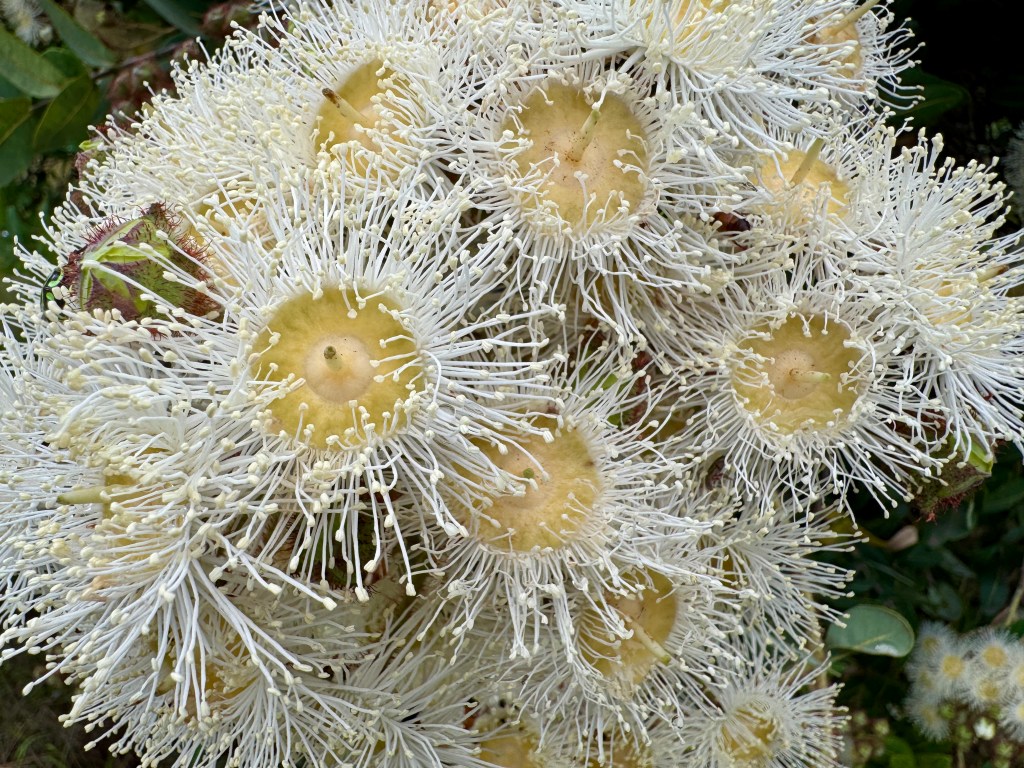
Known as the Dwarf Apple or Scrub Apple, this mallee tree has a very limited natural distribution, endemic to the state of New South Wales, north from around Wollongong, west to Lithgow and north to around Morisset—not Dubbo. It is typically found on sandstone and sandy areas in dry sclerophyll woodland, coastal shrubland and coastal heath.
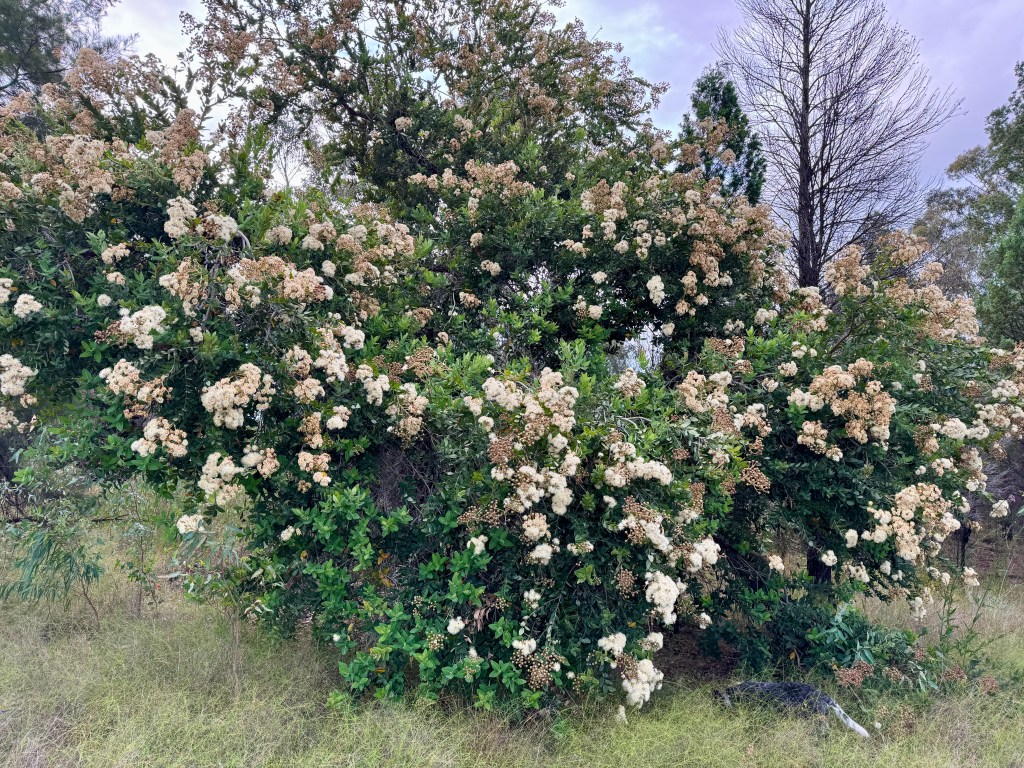
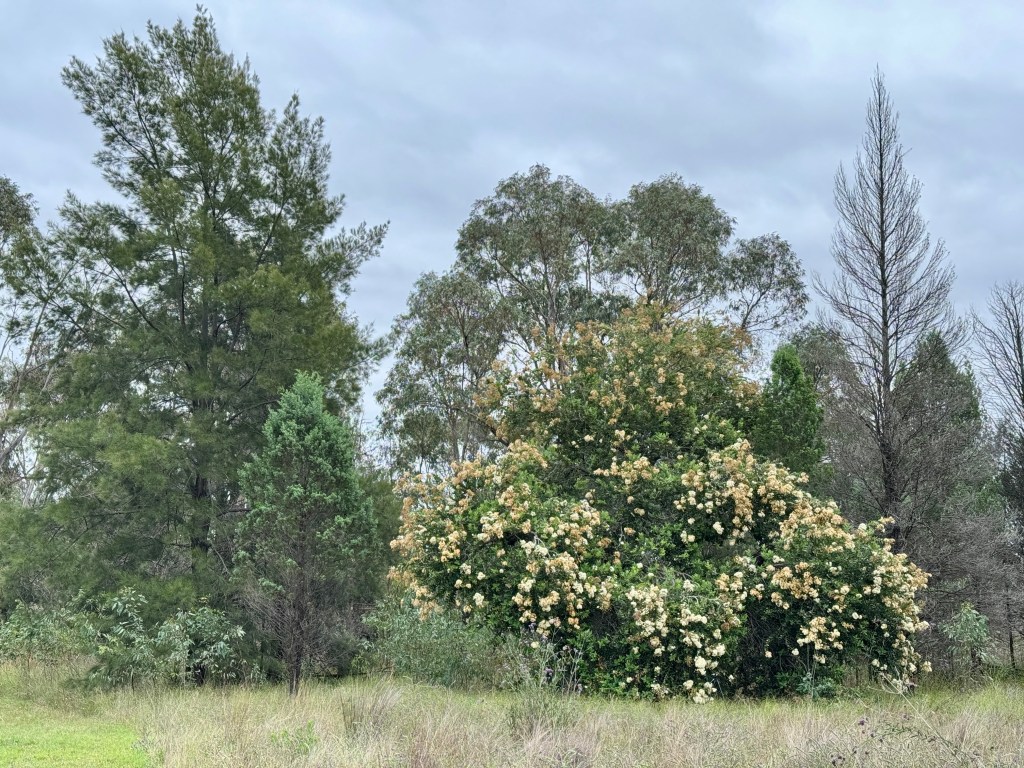
A small tree or mallee, capable of reaching 7 – 10 metres tall, it is often much smaller, forming a lignotuber. It sometimes has a wide spread for a small tree, with a twisted growth habit, gnarled branches and rough, loose fibrous grey bark.
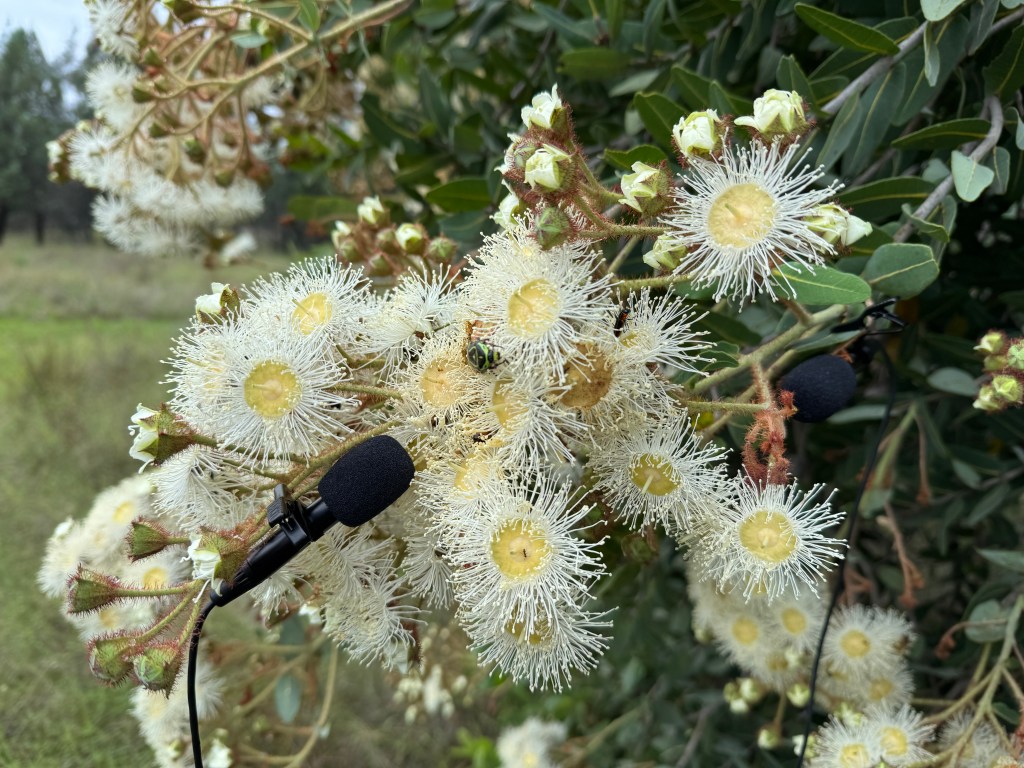
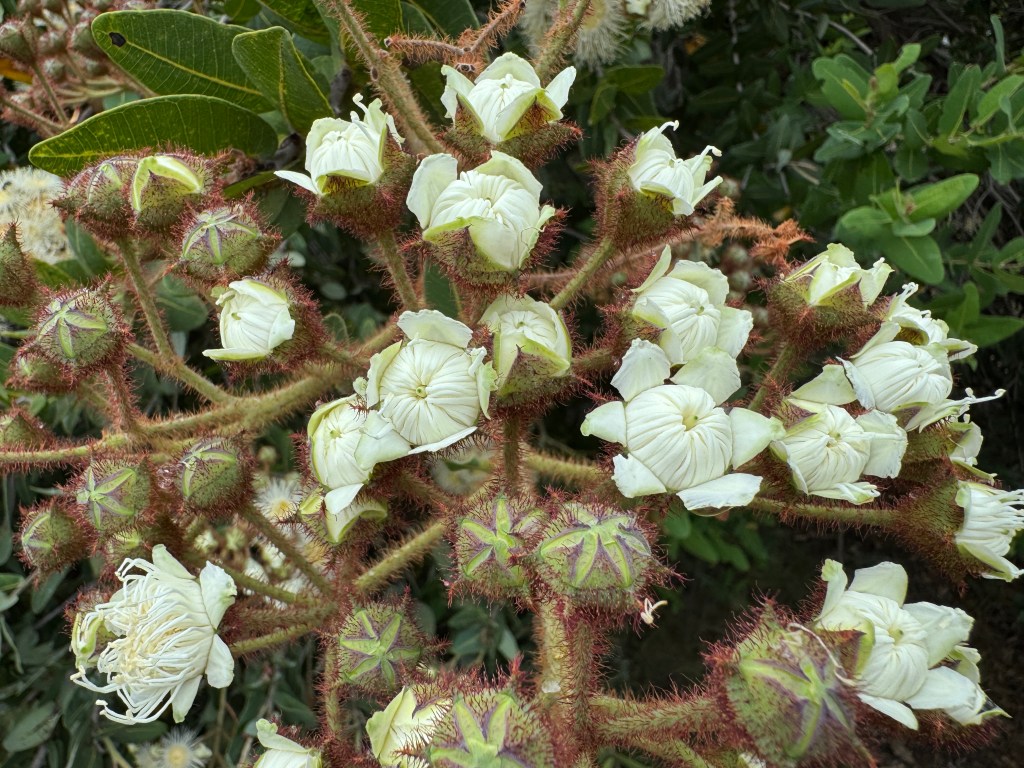
The leaves do not have the oily smell of most eucalypts. The leaves are leathery, heart-shaped and do not have a stalk (sessile), hugging the stem. The tree has red bristly hairs that cover the branchlets, flower bases and new growth. The word hispida means bristly. Flowering can be observed in November to January and individual flowers are up to 2 to 3 cm across, bright cream to white.
 arboreus.earth